
Guides
Gluten-Free Substitutes: Complete GF Flour and Binder Guide
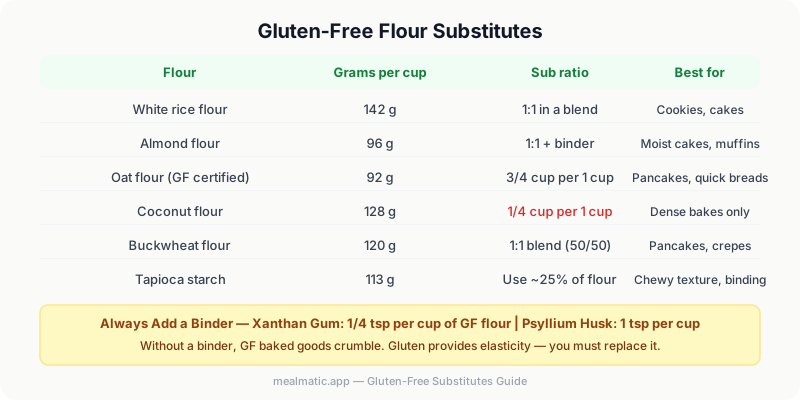
GF flour substitution guide with exact ratios, binding agent quantities, and comparison of 8 gluten-free flours for baking.
May 9, 2026
In-depth nutrition and meal planning guides for diabetes, hypertension, GLP-1 diets, and 20+ dietary needs. Research-backed, practical, and updated as the science evolves.
Meal planning for health conditions requires more than a calorie count — and most general nutrition content is written for people who do not have any. The guides here cover the dietary patterns, nutritional frameworks, and practical strategies relevant to people managing diabetes, hypertension, food allergies, and specific dietary goals, with references to the clinical research behind each recommendation.
Each guide is written to be usable, not just readable. You will find specific numbers — glycemic load targets, sodium thresholds, macronutrient ratios — alongside a plain explanation of why those numbers matter for the condition being discussed. Where the evidence is genuinely mixed or contested, we say so instead of picking a side the research has not settled.
A note on these guides
This content is educational, not medical advice. If you're managing a diagnosed condition, discuss any dietary changes with your physician or registered dietitian. Our editorial process explains how we research and review this content.
GF flour substitution guide with exact ratios, binding agent quantities, and comparison of 8 gluten-free flours for baking.
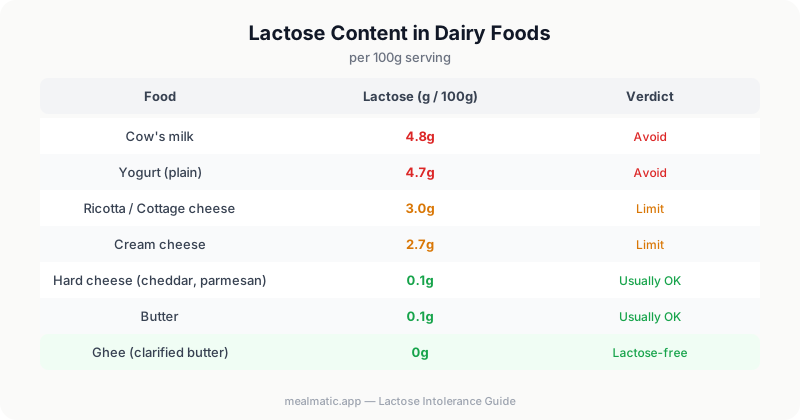
Complete guide to lactose intolerance foods to avoid — dairy ranked by lactose content, hidden sources in processed foods, and safe dairy alternatives.
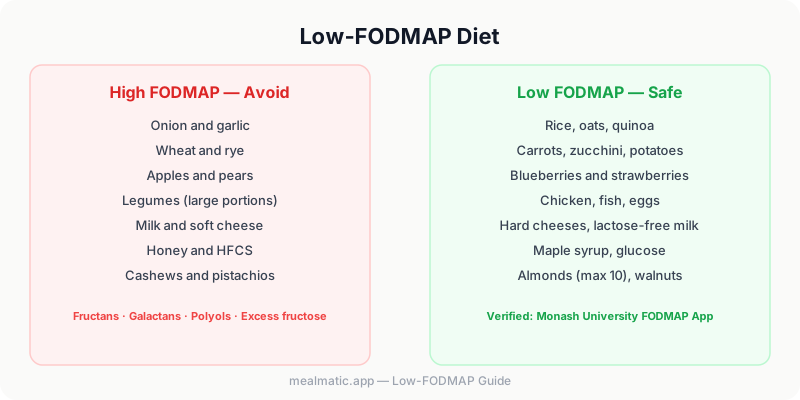
Evidence-based 7-day low-FODMAP meal plan for IBS. Includes foods to avoid list, safe foods list, and reintroduction phase guide.
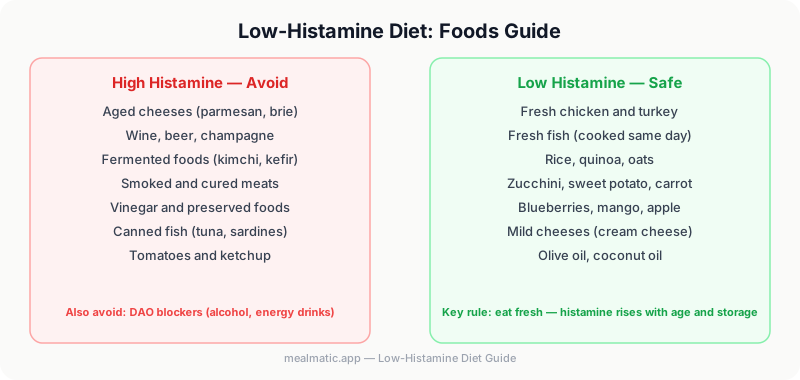
7-day low-histamine diet meal plan with complete high-histamine foods to avoid, safe foods list, and cooking tips for histamine intolerance.
The guides here cover three areas: meal planning for specific health conditions (diabetes, hypertension, IBS), dietary frameworks (keto, Mediterranean, DASH, vegan), and practical strategies — reading nutrition labels, meal prepping, understanding what glycemic load actually means in a grocery store. Every guide is tied to published research or clinical guidelines rather than general wellness advice.
Yes, with one important caveat. These guides cover dietary patterns and the evidence behind them — not your specific situation. Use them to build a more informed conversation with your physician or dietitian, not to replace that conversation. People managing diabetes, hypertension, or GLP-1 medication protocols have individual factors that affect how any general guideline actually applies to them — and those factors belong in a clinical conversation, not a web article.
Most nutrition content online is written for people without health conditions — the advice is generic because the audience is generic. These guides are written for people where diet has a direct effect on clinical outcomes. That means specific numbers: sodium targets that matter for hypertension, glycemic thresholds that matter for blood sugar management, macro ratios that matter for GLP-1 protocols — not a reminder to eat more vegetables.
We review guides when significant new research is published or when clinical guidelines change. The publication and last-reviewed dates appear on every article. If you spot something that looks outdated, email us at [email protected] — we look into every correction report and update the content when it is warranted.